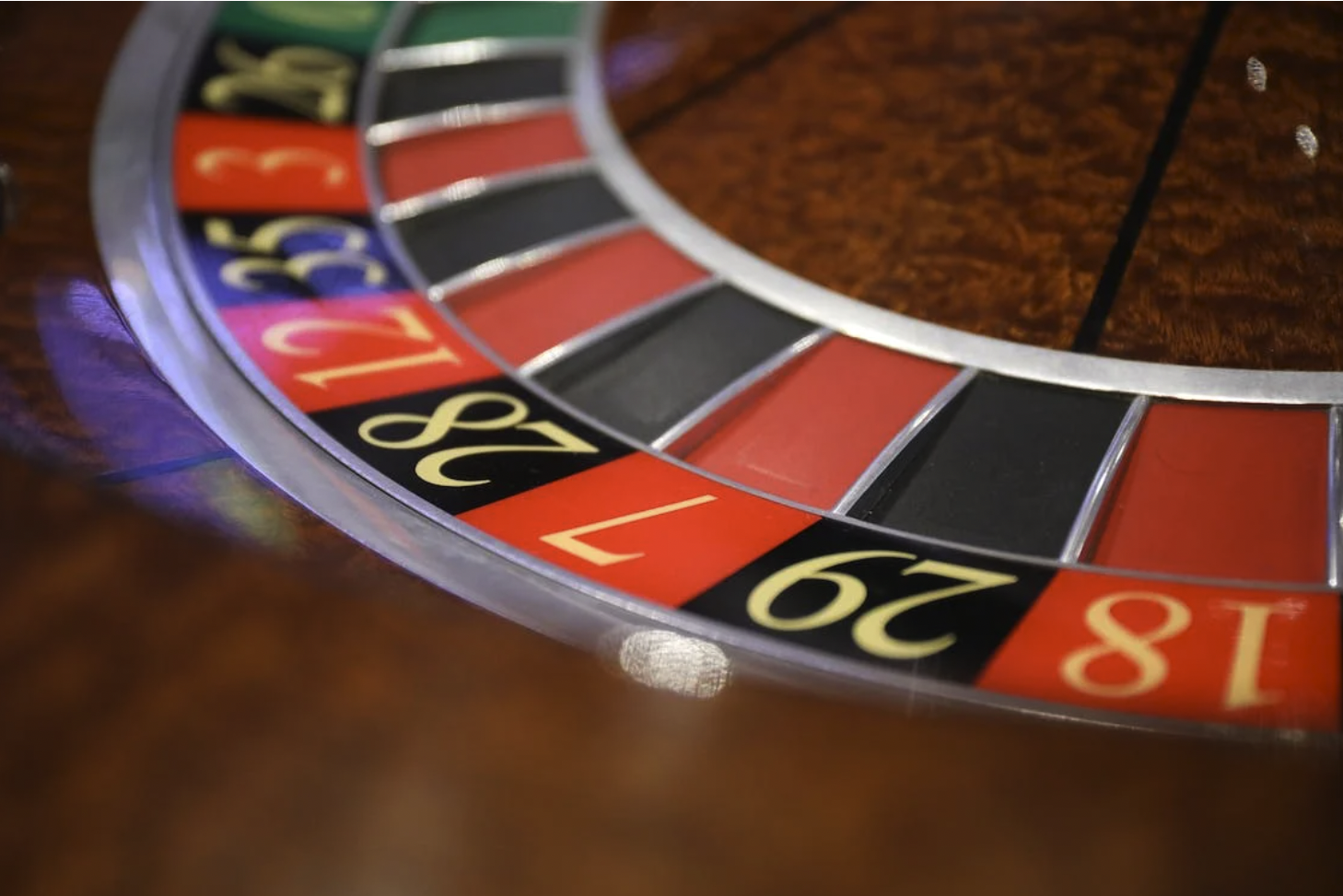
Gambling is addictive because it activates the brain’s reward system in a similar way that drugs and alcohol do.
When you gamble, your brain releases dopamine, which gives you a feeling of pleasure. The more you gamble, the more dopamine is released, and the stronger the feeling of pleasure becomes.
You may start gambling to escape from problems or to relieve boredom, but soon it takes over your life. You can’t control how much you gamble or when you stop.
You may even lie to family and friends about how much you’re gambling or how much money you’ve lost.
Gambling addiction can lead to financial ruin, job loss, family problems, and even suicide. If you think you have a gambling problem, get help before it’s too late.
Table of Contents
How Gambling Addiction Starts
Most people gamble for fun and don’t get addicted. But for some people, gambling is a way to escape from problems or relieve boredom.
Gambling addiction can start with just a few dollars bet on a football game or a hand of poker. For some people, gambling is a way to make money. They think they can beat the odds, but eventually they always lose more than they win.
No matter how much money you have, you can still be addicted to gambling. Gambling addiction is not about the money, it’s about the feeling of winning.
What Causes Gambling Addiction?
Gambling addiction is caused by many factors, including:
- A need for excitement or thrill-seeking behavior
- An escape from problems or negative emotions
- A way to make quick money
- peer pressure
Gambling addiction can also be caused by underlying mental health issues, such as:
- Depression
- Anxiety
- Bipolar disorder
- Obsessive-compulsive disorder (OCD)
If you have a gambling problem, you may also have a problem with alcohol or drugs. This is called co-occurring disorders, and it’s important to get treatment for both problems.
How to Know if You Have a Gambling Problem
- Do you gamble even when you can’t afford it?
- Do you need to gamble with larger amounts of money to get the same feeling?
- Do you gamble until your last dollar is gone?
- Have you tried to stop gambling but can’t seem to stop?
- Do you lie about your gambling habits?
If you answered yes to any of these questions, you may have a gambling problem.
The first step to getting help is admitting that you have a problem. This can be difficult, but it’s important to remember that you’re not alone and there is help available.
If you think you might have a gambling problem, talk to your doctor or a mental health professional. They can help you figure out if you have an addiction and how to get treatment.
Treatment for Gambling Addiction
There are many different types of treatment for gambling addiction, but the most important part is acknowledging that you have a problem and need help.
After you’ve acknowledged your addiction, the next step is to find a treatment program that will work for you.
Treatment programs vary depending on the severity of your addiction, but they all have one goal: to help you stop gambling and stay gambling-free for life.
Treatment programs usually include:
Counseling: You’ll meet with a counselor who will help you understand your gambling addiction and how to overcome it.
Support groups: There are many different types of support groups, including Gamblers Anonymous, which can help you stay on track with your treatment plan.
Cognitive-behavioral therapy: This type of therapy teaches you how to identify and change the thoughts and behaviors that contribute to your gambling addiction.
Medication: If you have underlying mental health issues that contribute to your gambling addiction, medication may be prescribed to help treat those conditions.
Recovery from gambling addiction is a lifelong process, but treatment can help you overcome your addiction and live a gambling-free life.